Can You Get a DSCR Loan on a Condo or Townhouse?
Can You Get a DSCR Loan on a Condo or Townhouse?
Yes. Most DSCR lenders will finance both condos and townhouses as investment properties. But the two property types are not treated equally. Townhouses are generally straightforward. Condos introduce extra lender requirements that can slow down or kill a deal if you are not prepared for them.
Are Condos and Townhouses Eligible for DSCR Financing?
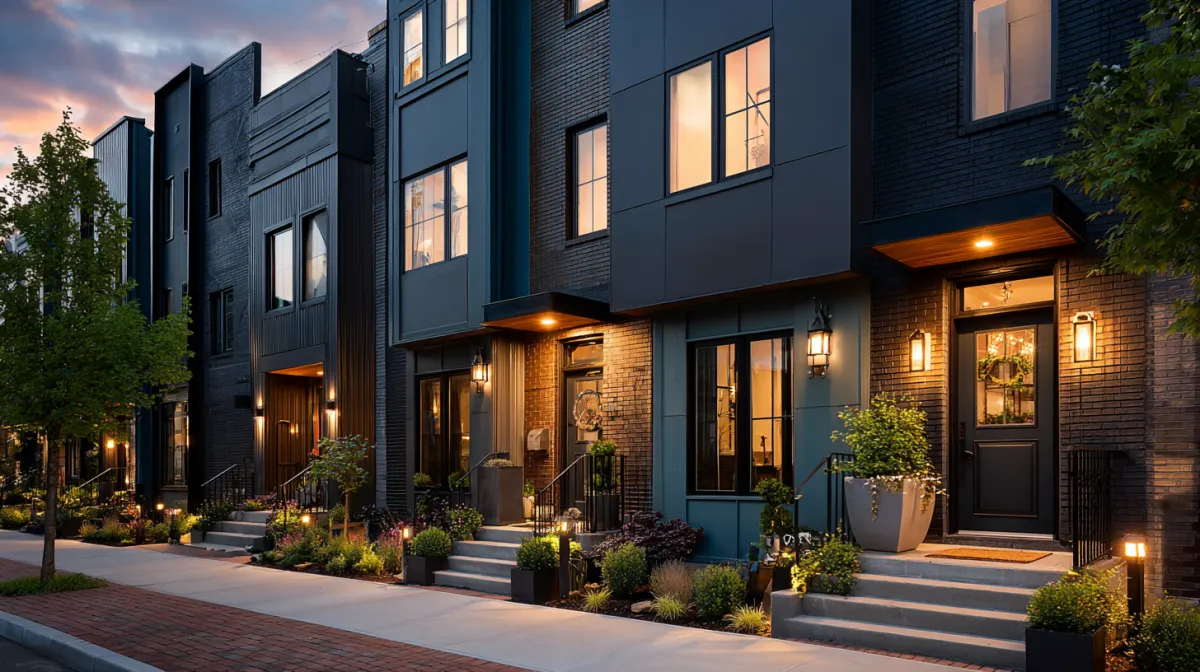
Townhouses are the simpler case. From a DSCR lender’s perspective, a townhouse is treated almost identically to a single-family rental property. The property has its own land, its own structure, and no shared ownership complications. If the rent covers the debt service and the borrower meets standard credit and down payment requirements, the file moves forward like any other DSCR deal.
Condos are different. The unit itself might qualify on paper, but the lender also has to evaluate the condo project as a whole. That means the HOA’s financial health, the building’s ownership structure, and the percentage of renter-occupied units all factor into the decision. This is where the warrantable vs. non-warrantable distinction becomes critical.
What Makes a Condo Warrantable vs. Non-Warrantable?
Warrantability is a classification system originally created by Fannie Mae and Freddie Mac. Even though DSCR loans are non-QM products that do not go through Fannie or Freddie, most DSCR lenders still use warrantability as a baseline risk filter. A warrantable condo is easier and cheaper to finance. A non-warrantable condo is harder, more expensive, or in some cases not financeable at all.
The factors that push a condo into non-warrantable territory include:
Owner-occupancy ratio below 50%. If more than half the units are renter-occupied, many lenders flag the project as higher risk. This is a common issue with investment-heavy buildings.
Single-entity ownership concentration. If one person or company owns more than 20-25% of the units, the project fails most warrantability standards.
HOA financial instability. High delinquency rates on dues, inadequate reserve funding (typically below 10% of annual budget), or special assessments signal risk.
Active litigation. Any lawsuit involving the condo association, whether the HOA is plaintiff or defendant, can make the project non-warrantable until resolved.
Excessive commercial space. If more than 25-35% of the building’s square footage is commercial, most DSCR programs will not touch it.
Some DSCR lenders do have specific non-warrantable condo programs, but expect higher down payment requirements (often 30%+), tighter credit minimums, and less favorable rates. The pool of willing lenders shrinks significantly.
How Do HOA Fees Affect Your DSCR Ratio?
This is the part most investors underestimate. HOA fees are included in the PITIA calculation — principal, interest, taxes, insurance, and association dues. That full number is what gets divided into the property’s gross rent to produce the DSCR ratio.
A condo with $400/month in HOA dues needs substantially more rental income to hit a 1.0 DSCR than a townhouse or single-family property with no HOA or a minimal one. On a $500,000 purchase with a typical DSCR loan structure, that $400 HOA payment could be the difference between a 1.15 DSCR and a 0.90 DSCR. The first number gets you funded. The second one does not.
Before submitting any condo deal, run the actual numbers. Use our free DSCR Deal Analyzer Calculator to see how HOA fees, taxes, and insurance affect your ratio on a specific property.
Understanding how rental income is calculated for DSCR loan qualification is also essential here. Lenders typically use the lower of the actual lease amount or the appraised market rent, which can further compress your ratio on a condo where HOA costs are already eating into coverage.
What Should Massachusetts Condo Investors Watch For?
Massachusetts has a large condo inventory, including many converted triple-deckers where individual units were split into condos decades ago. These older conversions can present specific challenges for DSCR financing.
Common MA-specific issues include:
Aging HOA reserves. Older condo associations in Massachusetts may have underfunded reserves, especially those facing deferred maintenance on roofing, siding, or common systems. Lenders will review the HOA budget and reserve study.
Special assessments. Buildings hit with large special assessments for capital repairs can create lender hesitation and add to the effective monthly cost of ownership.
Attorney-state closing. Massachusetts requires attorney involvement in real estate closings, which adds cost and can extend timelines compared to states where title companies handle everything.
High property taxes. MA property tax rates vary significantly by municipality. A condo in one town might pencil out with strong rent coverage while the same deal structure fails in a neighboring city with higher taxes.
For a quick-reference breakdown of property tax rates, average rents, and insurance costs across 12 Massachusetts markets, download our free MA Rental Property Numbers Cheat Sheet.
For broader context on how DSCR financing works in the state, read DSCR Loans in Massachusetts: What Investors Need to Know.
CapitalVanta is not a lender. We provide DSCR deal screening and lender introduction services for Massachusetts investment property investors.


